
A woman in Afghanistan
laced bread with rat poison
broke bread
fed her ten children
and herself
it was
resistance
against the invincible force
of rape picking off women
from families, wrapping them in shame
torturing them.
resistance
against starvation
that silences children.
When fighters turn on the women and children,
they are going for the living heart
of the community.
Women know how to fight
for what matters most to them –
family, honour, country.
Can you blame them?
But what a price,
to destroy your own body.
Other women will not die
and their bodies, beautiful bodies,
are beaten, beaten, beaten
by a husband who owns them
in a house where no one comes
under a law which will not hear them
they endure
to raise the children
to see another day dawn
what is their hope?
please tell me, why do they endure?
someone please explain
how marriage
which was meant to show us Paradise
instead throws open the door
on Hell?
Where else do you find someone
owning your body without treasuring,
invading your vulnerability without trust,
demanding your lifelong servitude without reward?
Where else is your own home,
your own room, your own bed
turned into nightmare and pain?
No wonder the mother
laced her bread with poison,
broke the bread.
There is nothing more terrifying
than a religion which demands war
a cause which permits and perpetuates rape
unless
it is a religion that demands forgiveness
and a cause which persists in perpetuating love
turning the mother
hiding in her home with ten children
and the beaten, sore wife
into victors through love –
yet doesn’t your heart cry out for justice as I say this?
We’ve been talking about starting the conversation about men and women with forgiveness. So I’m just going to admit that, honestly, sometimes that feels like the worst idea. Not even because of what I’ve experienced but because of what so many other women go through.
This poem is a response to the disturbing, masterful book “A Thousand Splendid Suns” by Khaled Hosseini. It is fiction but that almost seems to make it a more honest portrayal of reality. The women in this book are varied and their responses to abusive marriages, threat of violence, and loss of loved ones varies as well. Determination and hope shines through in impossible ways.
No matter how restricted and controlled a woman’s life is, she still is a human made in the image of God. She still has her own will. It is heartbreaking that sometimes the only choice left, the only way to be “heard”, is in death. Sometimes women choose to endure to protect someone else—often their children.
God offers a choice to all women, which is to forgive and conquer through love. Does it feel like a slap in the face? Sometimes it does to me. Because if we choose forgiveness, how will things ever change? And how can I accept the peace of God in this when so many women’s lives are still being destroyed?
This has bothered me for years. I needed God to answer, not only for my life, but for all women. A response came, unexpectedly, as I picked beans alone in a wide field. That’s the next post.
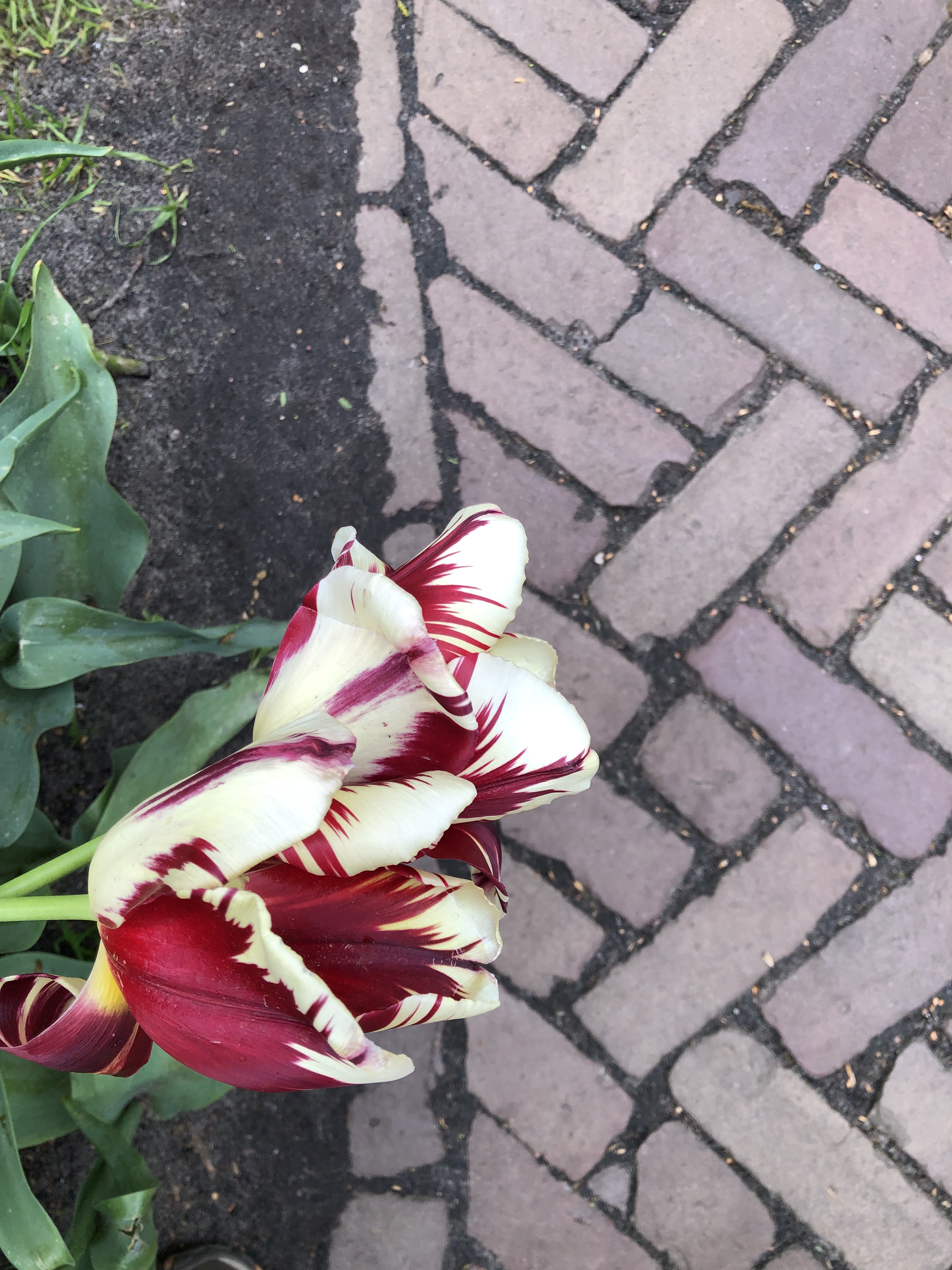
 A broken tulip
Leave a comment